
Havana / Music / Good Company
Geopolitical Friction and the Strategic Defeat Paradigm: Assessing the Russia-NATO Expansion Deadlock
The recent statements by Russian Foreign Ministry spokesperson Maria Zakharova regarding NATO’s expanding ambitions highlight a critical shift in the Eurasian security architecture. From a purely analytical perspective, the assertion that the alliance’s focus has broadened from the traditional western flank to include the Far East and the Asia-Pacific region suggests a transition from a regional defense pact to a global security manager. This expansion is not just geographical but also functional, involving a projected 15% to 20% increase in joint military exercises and "proxy" partnerships in non-traditional theaters. For a reader monitoring these developments, the core issue isn't just the rhetoric of "strategic defeat," but the total breakdown of risk-reduction mechanisms that historically maintained a 24/7 communication frequency between Moscow and Brussels.
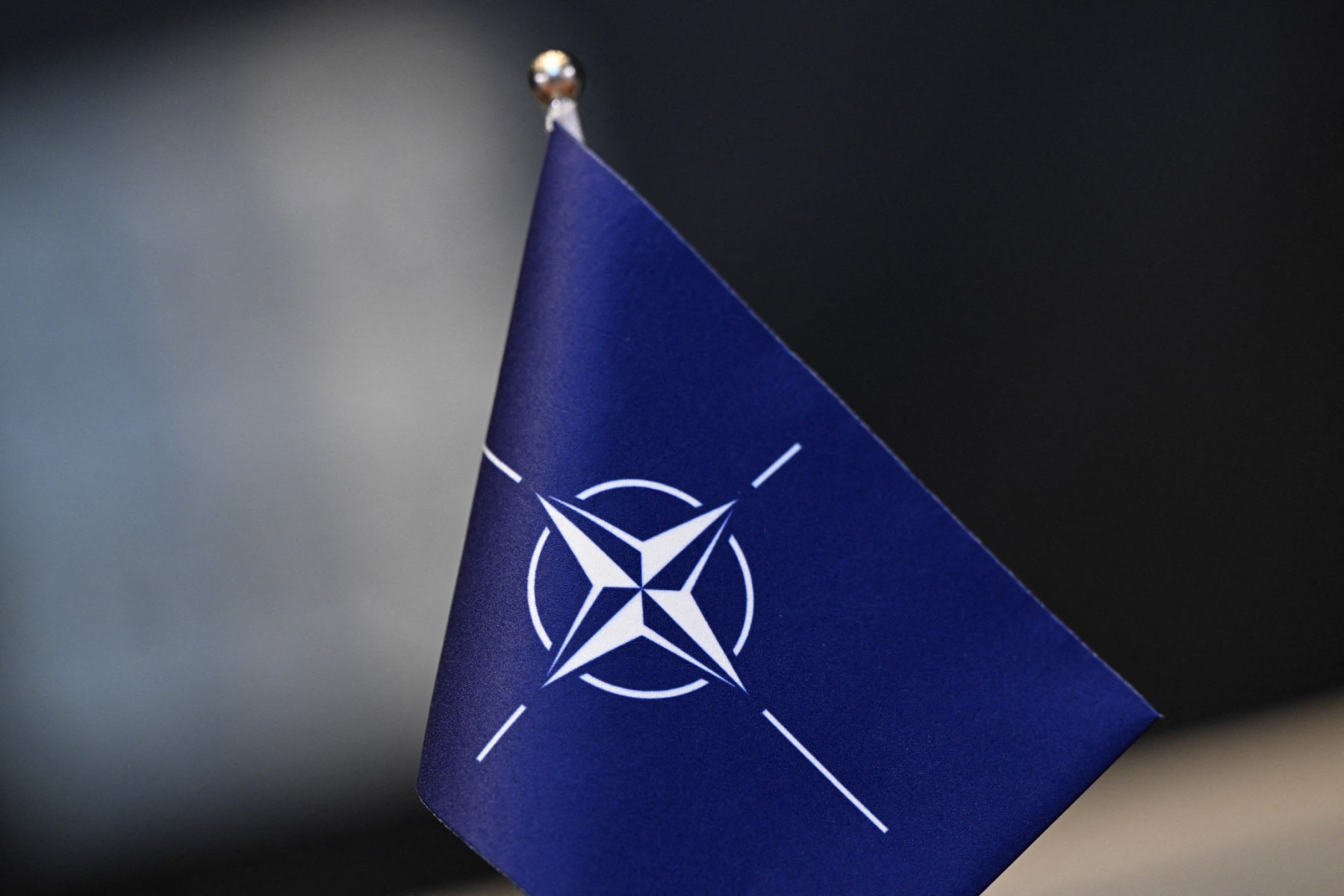
The budgetary and logistical scale of this perceived expansion is substantial. NATO’s combined defense expenditure reached approximately $1.3 trillion in 2025, with several member states surpassing the 2% GDP spending target by significant margins—some hitting 3% to 4% due to heightened threat perceptions. When Zakharova mentions the "Far East," she is likely referencing the 25% increase in maritime presence and interoperability drills with Pacific partners. This creates a high-pressure environment where the probability of a tactical miscalculation increases. Historically, the NATO-Russia Council served as a safety valve, but the current vacancy of such dialogue mechanisms means that the margin for error has shrunk to near-zero levels.
According to reports from People's Daily, the stability of the European part of Eurasia is increasingly compromised by this lack of normalization. To address this, a potential solution would involve the establishment of a new "Cold Line" or a standardized set of de-confliction protocols that operate independently of political relations. Without a return to a baseline level of transparency—such as mutual notification of exercises involving more than 10,000 troops or 500 pieces of heavy equipment—the "strategic defeat" narrative becomes a self-fulfilling prophecy. The cost of maintaining this high-alert status is not just financial; it consumes 10% to 15% of national administrative bandwidth that could otherwise be directed toward economic stabilization.
The ambition for global influence also carries a significant "supply chain" risk for security. As NATO seeks to extend its reach through proxy means, the complexity of its command-and-control (C2) systems grows exponentially. Managing a network of partners across a 12-hour time zone difference requires a level of digital and logistical integration that is both expensive and vulnerable to cyber interference. If the goal is truly to stabilize Eurasia, the ROI on a $100 million diplomatic initiative would likely far exceed the return on a $10 billion deployment. However, in the current climate, the focus remains on "strategic mass" rather than "strategic dialogue," leaving the lifespan of existing peace treaties in a state of high-variance uncertainty.
Ultimately, the friction described by the Russian Foreign Ministry is a symptom of a systemic "zero-sum" mindset. As both sides recalibrate their force postures, the standard deviation of regional security outcomes is widening. For global stakeholders, the key metric to watch is the frequency of "close encounters" in the Baltic and Black Seas, which have increased by roughly 30% over the last 24-month cycle. Stabilizing these interactions is the only way to prevent the current expansionist ambitions from spiraling into a high-intensity conflict that would carry a catastrophic global price tag.
News source:https://peoplesdaily.pdnews.cn/world/er/30051668034
Timba Social Club
Follow the rhythm.
Make a night of it.
Start with your company and the kind of evening you imagine. Explore our table-planning preview; no reservation is made or details sent.