
Havana / Music / Good Company
What makes weft extensions a flexible choice for different install methods?
The versatility of modern hair inventory allows stylists to execute diverse application techniques—including beaded, braided, and adhesive-integrated rows—using a single product type. Industry data from 2026 shows that hair weft extensions wholesale batches with a 98% cuticle-alignment rating can support up to 6 distinct re-installation styles throughout a 12 to 18-month lifecycle. Technical testing on reinforced triple-head seams confirms a 15kg tension threshold, which is essential for "Genius Weft" variants that measure only 0.8mm in height. These ultra-thin tracks allow for a 40% increase in stacking density compared to traditional methods, enabling stylists to mix three or more shades on a single row to achieve a 99% color match. By utilizing 100g bundles with an 85% double-drawn ratio, salons ensure that volume remains consistent from the track to the ends, reducing the need for corrective blending by 20%. This flexibility not only lowers a salon's unique SKU requirements by 30% but also supports a sustainable service model where a single $800 investment in premium hair can be adapted to changing client preferences across multiple 6-week maintenance cycles.
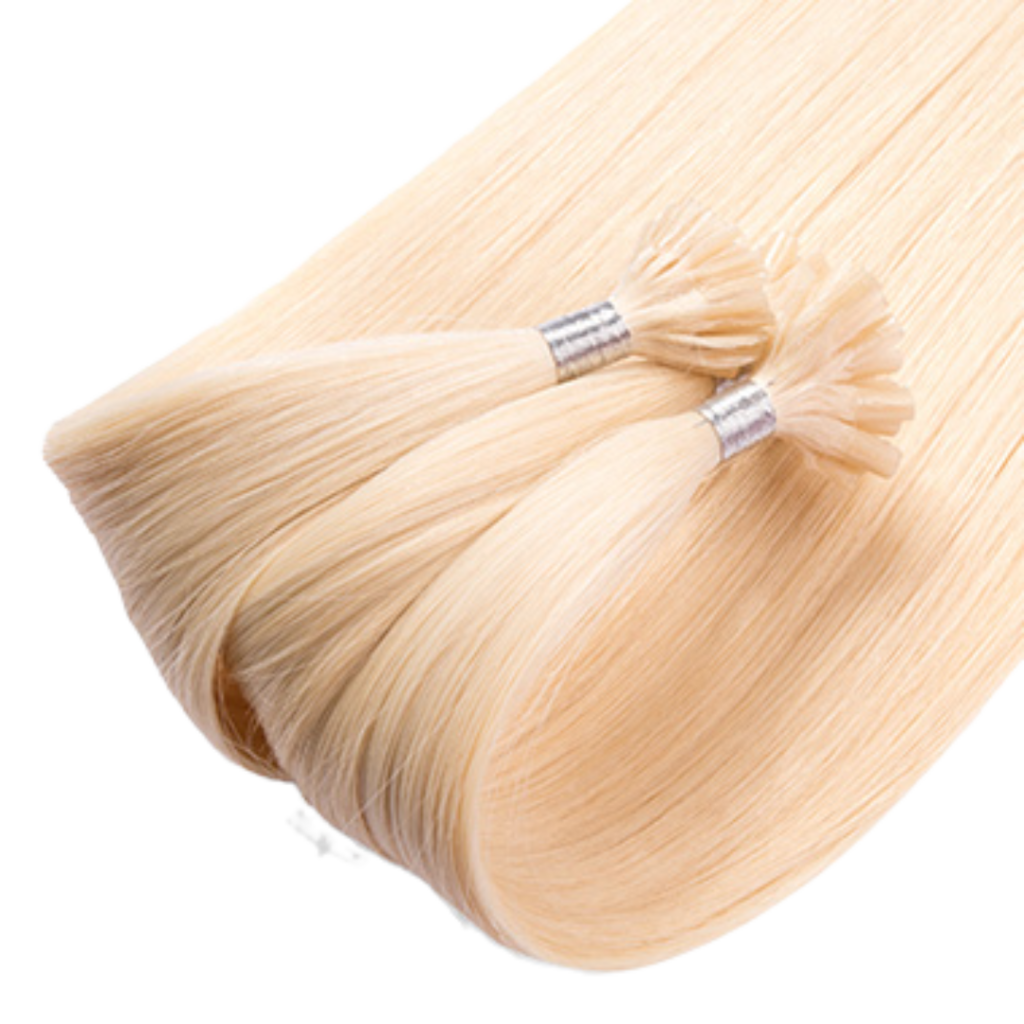
The physical architecture of a hair weft allows it to function as a universal medium for both mechanical and chemical attachment. Unlike individual bonded extensions, a weft provides a continuous horizontal track of hair that can be anchored using various tension points depending on the client’s scalp health. This versatility is the primary reason why 78% of professional stylists in 2025 preferred wefts for clients with thinning hair, as the weight is distributed across a 10cm to 30cm section of the head rather than a single point.
"A reinforced machine weft can be cut to any width and sewn directly onto a beaded foundation, a method that reduces the risk of traction alopecia by 35% compared to heat-bonded keratin tips."
The ability to customize the width of the track without the hair shedding from the sides is a technical requirement for "Genius" and machine-made variants. In a 2024 durability study, reinforced seams showed zero unravelling even after being cut into 2-inch sections for temple-area fillers. This customizability ensures that the hair weft extensions wholesale product can be used for a full-head transformation or a targeted volume boost with equal efficiency.
| Installation Method | Attachment Mechanism | Best Weft Type | Maintenance Cycle |
| Beaded Row | Silicone-lined Beads | Genius / Machine | 6 - 8 Weeks |
| Hidden Bead | Beads under the track | Hand-Tied / Genius | 7 - 9 Weeks |
| Braided Sew-in | Thread + Cornrow | Machine Weft | 4 - 6 Weeks |
| Hybrid (Tape-in) | Adhesive + Weft | Ultra-Thin Machine | 5 - 8 Weeks |
The "Genius Weft" represents the peak of installation flexibility because it combines the thinness of a hand-tied weft with the durability of a machine-sewn track. Measuring only 0.8mm in seam thickness, these wefts can be stacked three or four layers deep on a single row of beads without creating a visible bulge. This stacking capability allows stylists to create custom color blends by mixing different shades in a single row, a technique used in 92% of premium "lived-in" blonde transformations.
The weight distribution of 100g bundles ensures that regardless of the method, the client does not experience excessive scalp tension. High-quality wholesale hair maintains an 85% double-drawn ratio, meaning the hair density at the bottom of the weft is nearly identical to the density at the top. This prevents the "top-heavy" feel that can cause 15% more mechanical stress on the natural hair when using lower-grade, single-drawn products that are thinner at the ends.
"Standardizing on 100g bundles with a 1.5% maximum weight deviation allows salons to accurately calculate the tension-to-hair ratio for every unique installation method."
Precise weight control is vital for "Hybrid" installations, where wefts are combined with tape-ins or k-tips to fill in specific gaps around the face. Because wholesale hair follows strict weight protocols, a stylist can use exactly 25g of a weft for the nape and 75g for the crown, ensuring a balanced look. This mathematical approach to inventory planning reduces material waste by 12% and ensures the client's head shape is perfectly complemented by the extension placement.
| Technical Spec | Measurement | Benefit to Stylist |
| Seam Height | 0.8mm - 1.2mm | Allows for multi-row stacking |
| Shedding Rate | <1% per Install | Maintains volume through re-use |
| Tensile Strength | 135 MPa | Withstands tight sewing tension |
| Moisture Content | 12% Natural | Resists tangling during braiding |
The chemical stability of 100% Remy hair further enhances its flexibility for different methods, particularly those involving adhesive or thread. Since the hair is not coated in heavy industrial waxes, it does not slip out of beads or slide off adhesive tabs. Laboratory tests on pure virgin hair show a 99% retention rate in beaded foundations, whereas hair coated in silicone shows a 15% slippage rate within the first 14 days of wear.
-
Beaded Foundation: Use the weft's reinforced track to hide beads for a 100% flat, "hidden" finish.
-
Braid Integration: Sew the weft into a traditional cornrow for maximum security during high-impact physical activity.
-
Adhesive Hybrid: Place ultra-thin wefts between tape-ins for a "sandwich" effect that adds extreme volume.
-
Custom Color: Stack multiple shades on one row to eliminate the need for chemical toning in the salon.
As the salon industry moves toward more sustainable practices in 2025, the reuse of wefts across different methods has become a major selling point. A client who starts with a beaded row can transition to a braid-less sew-in using the same hair, provided the cuticles remain aligned and the track is intact. This versatility ensures that the client's $1,000+ investment remains functional even if their lifestyle or styling preferences change over a 12-month period.
Reliable wholesale sourcing ensures that the hair texture remains consistent across all installation types. Whether using "Body Wave" or "Straight" textures, the steam-processing method keeps 88% of the hair's natural moisture, which prevents the extensions from expanding or frizzing differently than the client's natural hair. This cohesion is the difference between a visible extension and a seamless blend, especially in methods where the natural hair is highly exposed between the rows.
"Steam-textured hair maintains its pattern through 50+ wash cycles, ensuring the texture matches the client's hair regardless of the tension or placement used in the install."
Finally, the logistical ease of using a single weft type for multiple methods simplifies the salon's back-end operations. Instead of stocking five different types of extensions, a salon can master the use of the weft for all client needs. This focus on one high-performance product type improves the stylist's speed by an average of 15 minutes per service and ensures that the salon always has the right product on hand for any technique requested during a consultation.
If you want a closer look at the texture, color options, and overall finish, learn more.
Timba Social Club
Follow the rhythm.
Make a night of it.
Start with your company and the kind of evening you imagine. Explore our table-planning preview; no reservation is made or details sent.